Cracked tooth on a Sunday, throbbing abscess at 2 a.m., a child who fell off a scooter and chipped a front tooth. Dental emergencies do not ask permission or wait for business hours. In London, Ontario, the difference between a long, sleepless night and a manageable situation often comes down to knowing where to go, what to do in the first hour, and what to expect once you are in the chair.
I have seen people walk in pale from pain who leave steady and relieved because we controlled the infection, numbed the tooth, and created a plan. I have also seen delays turn a small cavity into a root canal, or a knocked out tooth into a gap that later needs an implant. The playbook below is shaped by those encounters and grounded in how emergency dental services operate across London.
When a problem is an emergency
Not every chipped edge is a crisis, but several situations do demand same day attention. Sharp, escalating pain that keeps you from sleeping usually signals pulp inflammation or infection. Any swelling in the face or under the jaw needs urgent evaluation, especially if you notice fever, difficulty swallowing, or a muffled voice. A tooth that has been knocked out, pushed out of position, or fractured into the nerve is time sensitive. Persistent bleeding that does not slow with pressure after 15 minutes, a broken orthodontic wire cutting the cheek, and a dry socket after an extraction also count.
On the other hand, a lost filling without pain, a minor chip that is smooth, or temporary sensitivity after whitening can often wait a day or two. If you are unsure, call. Most practices offering emergency dental services in London Ontario reserve triage slots daily and will steer you to the right level of care.
How same day care works in London
Most general practices in London hold open time for urgent visits and extend hours several days a week. Several clinics run true walk in blocks and on weekends rotate on call coverage with neighboring offices. Severe facial injuries and deep space infections are better handled in hospital settings, where imaging and airway support are available. If you are having trouble breathing, can’t open your mouth due to swelling, or notice one eye starting to close from edema, use 911, not a dental office voicemail.
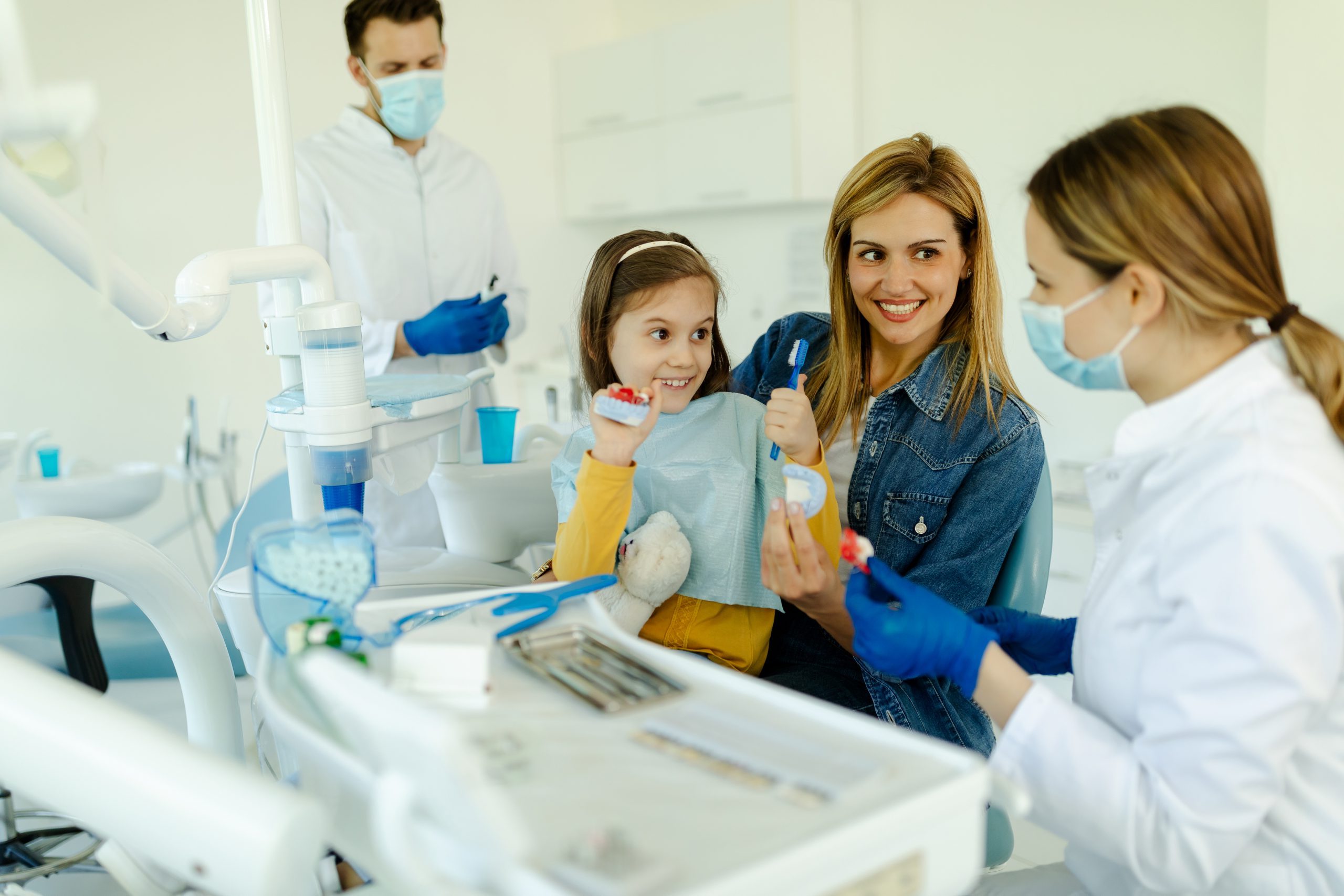
For dental pain without systemic red flags, a same day dental exam is the fastest route to relief. You will typically be greeted by a dental assistant, have a focused assessment and a small X ray, then see the dentist for testing and treatment options. Many issues can be stabilized in one visit, even if the final restoration happens later.
The first hour matters
Two emergencies punish delay more than most: avulsed teeth and spreading infection. A permanent tooth knocked completely out has the best chance of survival if it is replanted within 30 minutes. If replanting is not immediately possible, store the tooth in cold milk or a commercial tooth preservation solution. Saliva is a distant third option. Do not scrub the root clean, and handle it by the crown, not the root.
Infections can spread along fascial planes of the head and neck. A sore gum that morphs into visible swelling, warmth, and a bad taste from drainage should be assessed quickly, not covered for days with painkillers and wishful thinking. Antibiotics can support you, but they rarely solve the source. Drainage or opening the tooth to relieve pressure is what actually turns a corner.
What to do before you reach us
A few calm actions at home can tilt the odds in your favor.
- Control bleeding by placing firm pressure with clean gauze or a damp tea bag for 15 minutes. Sit upright, avoid spitting or rinsing vigorously, which can dislodge the clot. For a knocked out permanent tooth, gently rinse off visible dirt for a second or two, do not scrub, and try to reinsert it in the socket. If that is not possible, store it in cold milk and head straight in. Use a cold compress on the face for swelling, 10 minutes on and 10 minutes off. Avoid heat, which can worsen inflammation. If you need pain relief and have no contraindications, adults often do well with ibuprofen 200 to 400 mg every 6 to 8 hours, paired with acetaminophen 500 to 1,000 mg every 6 hours, without exceeding daily maximums. Check with a pharmacist if you take blood thinners, have stomach, kidney, or liver disease, or are pregnant. Bring any fragments, crowns, or dentures with you. A quick re cement or spot repair can save you hours and money.
What an emergency visit looks like
We start with a targeted history and tests to identify the pain generator. Cold and percussion tests, gentle probing, and a bite assessment tell us whether the nerve is inflamed, whether a crack runs deep, and whether the bite is aggravating things. A small radiograph shows roots, bone levels, and hidden decay. When swelling or unusual anatomy is present, a panoramic image or cone beam CT might be recommended for better mapping, especially if wisdom teeth or dental implants are involved.
Numbing happens early. There is no prize for white knuckles. Once you are comfortable, common same day treatments include opening a tooth to relieve pressure, placing a sedative dressing to calm an inflamed nerve, smoothing and sealing a cracked edge, re cementing a crown, repairing a fractured denture tooth, draining an abscess, or extracting a non restorable tooth. If trauma has intruded or luxated a tooth, we reposition it and place a flexible splint, then coordinate follow up.

Anecdotes illustrate the range. Mike, a 27 year old men’s league hockey player, arrived with a front tooth on ice after a shoulder to the mouth. He had it in milk within 10 minutes. We replanted it, splinted it, and started antibiotics. The tooth survived, and months later, after root canal and a bonded veneer, you would not pick it out in a photo. Asha, a graduate student, put up with a dull ache for a week, then woke with swelling along her jawline. We drained the abscess through the gum, started antibiotics, and opened the tooth to let it breathe. Pain dropped from an eight to a three before she left, and she slept that night for the first time in days. Mrs. R came in before her granddaughter’s wedding with a denture that snapped across the midline. We took an impression, placed a dentures london ontario same day acrylic repair, and she made the photos with a smile that fit.
What it costs, and how payment works
Ontario dentists set their own fees, often guided by the Ontario Dental Association fee guide. Clinics should be able to quote you a range before treatment. As of recent years in London, an emergency exam commonly runs in the 75 to 140 dollar range, small X rays 25 to 40, a simple extraction 180 to 300, drainage of a small abscess 150 to 250, and re cement of a loose crown 120 to 220. After hours surcharges are not universal, but when present, they can add 50 to 150. Complex work, like a surgical extraction or multi surface temporary restoration, will be higher.
Most private insurance plans cover emergency exams, diagnostics, and necessary stabilization. Predetermination is not typically required for urgent care. Students at Western University and Fanshawe often have plans that include basic emergency coverage, though copays vary. The common flow is to pay at the visit, then the clinic submits electronically and you receive reimbursement directly. If cash flow is tight, ask about staged care. Treating the source of pain first, then restoring the tooth more definitively when benefits reset, is often possible.
The role of your dental hygienist in a crisis and beyond
A good dental hygienist in London Ontario is not just someone who polishes your teeth. In acute situations, hygienists help with debridement when gum infections flare, coach you on gentle cleaning around a painful area, and spot diet or grinding habits that likely triggered the crack or cavity. Their notes and photos are often what catch disease patterns early, before emergencies develop.
After the urgent phase, returning for teeth cleaning in London Ontario reduces the load of bacteria that drives decay and gum disease. Regular scaling and root planing for periodontal disease makes teeth less likely to loosen under stress. Hygienists are also the first line for home care instruction, from how to floss around a bonded splint to which sensitivity toothpaste to use if you had root exposure treated.
Dental implants, dentures, and emergencies
Implant patients sometimes assume they are done with dental trouble. Implants are strong, but the gums and bone around them can still develop peri implant inflammation. If you notice bleeding when brushing near an implant, a bad taste, or mobility in the crown, call. Early debridement and adjustment can prevent bone loss. Practices that place and restore dental implants in London Ontario usually keep a few same day slots for mechanical issues such as loose abutment screws. If a crown comes off an implant, bring it along, do not swallow it, and avoid biting on the area.
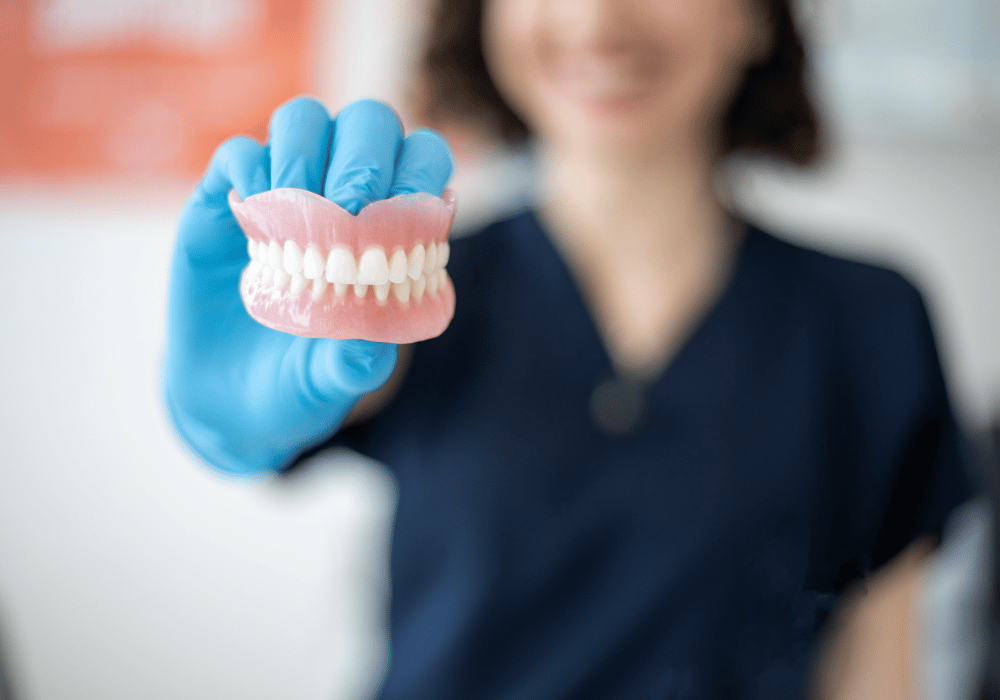
Dentures have their own class of emergencies. A small crack, if ignored, becomes a full break at the worst possible time. A tooth that debonds from an upper denture can create a visible gap mid event. Super glue is not a friend here. It releases fumes, irritates tissues, and makes professional repair harder. Labs in London often turn around simple denture repairs the same day, and many clinics can make an in house splint to get you through. If you are searching for dentures London because a current set hurts or clicks, prioritize a practice that can take pressure indicator paste readings and do same day adjustments. For people who rely on their dentures to eat, sore spots and ulcers can escalate quickly.
Bridge failures and partials that suddenly feel loose tend to signal a broken clasp or decay under an anchor tooth. That is an urgent, not emergent, visit unless you are cutting your cheek. Quick smoothing and a temporary cement can stabilize things so a thoughtful plan for repair or replacement follows.
If a tooth is lost and later needs replacement, dental implants London on clinics can guide you through timelines. After an extraction, many sites can accept an implant in 8 to 12 weeks, though front teeth often warrant temporary solutions to preserve the smile in the meantime. Being seen promptly at the outset preserves bone and soft tissue, which matters for the final look.
Whitening, sensitivity, and when to worry
Teeth whitening in London Ontario is popular and, when supervised, safe. Occasionally people whiten at home, then panic when they feel zingers in a cold wind. Sensitivity after whitening is common and, in healthy teeth, temporary. Pause whitening for 48 to 72 hours, use a potassium nitrate toothpaste, and avoid ice cold drinks. If the pain is one sided, sharp with biting, or paired with gum swelling, it is not whitening sensitivity. That deserves an exam.
Pain control that respects your body
Most dental pain has an inflammatory component, which is why anti inflammatory medication works so reliably. Alternating or combining ibuprofen with acetaminophen covers both inflammatory and central pathways. Many people achieve excellent relief with 400 mg of ibuprofen and 500 mg of acetaminophen taken together every 6 to 8 hours for a day, staying under daily limits. If you have ulcers, kidney disease, are on blood thinners, or have liver disease, check with a pharmacist or physician first. For children, do not guess dosages by age alone, dose by weight with a proper syringe. Topical numbing gels can help canker sores and denture ulcers, but keep them away from deep open wounds.
Antibiotics help when infection Dental clinic is spreading or when drainage cannot be achieved immediately. They do not cure a dead or irreversibly inflamed nerve. If you are prescribed antibiotics, take them as directed and do not stop early because you feel better day two. The source still needs definitive treatment.
Aftercare that keeps you out of trouble
The first 24 to 48 hours set the tone for healing. Simple, steady habits beat heroics.
- Keep your head elevated when resting to limit swelling. Apply cold packs in short intervals for the first day. Do not smoke or vape. Nicotine constricts blood vessels and slows healing. Rinse gently with warm salt water starting the day after a procedure, two to three times daily, unless you were told otherwise. Stay on a soft diet, avoid nuts, seeds, and very hot liquids. Chew on the opposite side. Call if you develop worsening pain after day two, spreading swelling, trouble swallowing, or a fever above 38.5 C.
Children, athletes, and seniors
Kids bounce back fast but can be hard to assess in the moment. If a child chips a tooth and you see pink in the center, that is likely pulp exposure and does need quick attention. Baby teeth that are knocked out are not replanted. Permanent teeth are. A custom sports mouthguard is still the cheapest prevention in town. Boil and bite guards work in a pinch, but custom guards fit better, protect more, and allow easier breathing, which matters late in a game.
Seniors face a different landscape. Medications such as blood thinners, osteoporosis drugs, and immunosuppressants change how we approach extractions and implants. If a senior in your family develops sudden swelling under a denture that previously fit well, remove the denture and look. A lump or ulcer that does not improve in two weeks, especially in a smoker, deserves a biopsy. Long term denture wearers benefit from an annual tissue and bite check even when nothing seems wrong.
Prevention that shortens the emergency list
Prevention rarely feels urgent until you have lived through a 3 a.m. Toothache. Regular checkups and teeth cleaning London Ontario are not cosmetic niceties, they are risk control. Caries risk assessments, fluoride varnish for susceptible adults, sealants on deep grooves, and small fillings when decay is still superficial keep you out of the high pain, high cost zone. So do nightguards for bruxers. A rigid diet of ice chewing will eventually find your enamel’s limit, no matter how strong your teeth feel.
When cosmetic goals are part of your plan, sequence matters. Address decay, cracks, and gum stability first, then consider whitening or bonding. Whitening on top of untreated micro cracks can set off sensitivity and make you think something new is wrong. A steady hand at the wheel avoids that detour.
Choosing an emergency friendly dental home
When you search for dental services London Ontario, look beyond hours and parking. Ask how the office handles same day calls, whether they can splint or re cement on site, and if they have relationships with local labs for denture repairs. If you have or plan to have implants, a clinic with in house or closely partnered cone beam imaging shortens the time from assessment to solution. Clear communication and transparent fees matter more during an emergency than any other time. You are deciding quickly, often while distressed. A team that can explain options in plain language, with the trade offs, earns trust fast.
Sedation and comfort options vary. Nitrous oxide can take the edge off for anxious patients without a long recovery time. Oral sedation is available in many practices, but it requires screening and an escort. For complex surgery or severe anxiety, referral to a provider offering IV sedation is often smartest. If you suspect you will need that level of support, mention it early so the visit can be structured appropriately.
How follow up ties it together
An emergency visit fixes the immediate problem. The next steps prevent a replay. If you had a pulpotomy to quiet a hot tooth, schedule root canal therapy promptly, not in six months when it flares again. If we smoothed a crack and placed a sedative filling, return for the definitive onlay or crown before the tooth splits. If we patched a denture to get you to a wedding, plan for reinforcement or replacement before the next event. Good clinics book that follow up at checkout and send reminders, but the commitment is yours.
When emergencies do happen, speed and judgment reduce damage. The right first step, the right provider, the right sequence of care. London has the infrastructure, from skilled general dentists and dental hygienists to practices offering dentures London and dental implants London Ontario, to handle almost any situation quickly. Keep a dentist’s number in your phone, store a small bottle of salt and spare gauze in your bathroom cabinet, and know that even the worst night often looks different after a focused exam, a small X ray, and the steadying calm of a team that has seen your problem a hundred times and knows exactly what to do.